


4
Introduction
IATF 16949 is the global Quality Management System (QMS) standard for the automotive industry. However, many organizations struggle during audits—not because they ignore the standard, but because they misunderstand how certain requirements should be implemented.
To clarify requirements, the International Automotive Task Force (IATF) periodically issues Sanctioned Interpretations (SIs). These interpretations directly influence audit outcomes and certification status.
Understanding and implementing these updates is essential for maintaining certification and avoiding audit nonconformities.
What is a Sanctioned Interpretation (SI)?
A Sanctioned Interpretation is an official clarification issued by IATF that explains how a specific clause must be understood and applied.
Most importantly:
A sanctioned interpretation changes the interpretation of a requirement and becomes the basis for audit nonconformity if not implemented. IATF-16949-SIs-Nov-2025
This means:
- It is mandatory, not optional guidance
- It is immediately applicable from the effective date
- Certification bodies audit against these interpretations
Difference Between Standard, FAQ, and SI
| Type | Purpose | Audit Impact |
|---|---|---|
| IATF 16949 Standard | Defines requirements | Mandatory |
| FAQ | Explains existing requirement | Guidance |
| Sanctioned Interpretation | Changes or clarifies requirement meaning | Mandatory and auditable |
How Sanctioned Interpretations Affect Your Audit

4
Sanctioned Interpretations directly impact:
1. Internal Audits
Internal audits must verify compliance with the latest interpretations—not only the original standard.
Example audit question:
- Do contingency plans include cyber-attack scenarios?
If not, this becomes a nonconformity.
2. Certification Audits
Certification body auditors use the latest SI as audit criteria.
Possible audit findings include:
- Major nonconformity
- Minor nonconformity
- Certification suspension risk
3. Surveillance Audits
Even if your system was compliant earlier, new interpretations must be implemented before your next audit cycle.
4. Customer Audits
OEMs and Tier-1 customers expect suppliers to follow the latest IATF interpretations.
Failure can result in:
- Supplier escalation
- New business loss
- Poor supplier scorecard rating
Key Recent Sanctioned Interpretation Changes You Must Implement
1. Contingency Planning Must Include Cyber-Attack and Pandemic Risks

4
Organizations must prepare contingency plans for:
- Cyber-attacks
- Pandemics
- Utility failures
- Equipment breakdown
- Supplier disruption
Plans must be:
- Tested periodically
- Reviewed annually
- Communicated to customers
- Verified after production restart IATF-16949-SIs-Nov-2025
Audit risk: Contingency plan exists but not tested.
2. Internal Auditor Competency Requirements Strengthened
4
Auditors must demonstrate competency in:
- IATF 16949 requirements
- Customer-specific requirements
- Core tools (FMEA, Control Plan, SPC, MSA, PPAP)
- Process understanding
- Audit execution and reporting IATF-16949-SIs-Nov-2025
Audit risk: Auditor trained but lacks manufacturing process knowledge.
3. Supplier Quality Management Must Follow a Defined Development Path

4
Suppliers must progress through structured quality maturity:
- ISO 9001 compliance
- ISO 9001 certification
- Automotive QMS compliance
- IATF 16949 alignment
- IATF 16949 certification IATF-16949-SIs-Nov-2025
Audit risk: No supplier development plan.
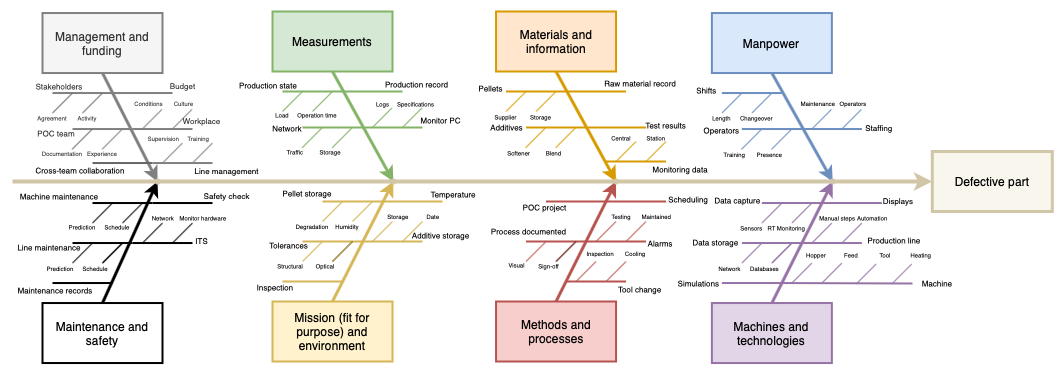
4. Problem Solving Must Prevent Recurrence

4
Organizations must implement structured problem solving including:
- Root cause analysis
- Systemic corrective action
- FMEA and Control Plan update
- Effectiveness verification IATF-16949-SIs-Nov-2025
Audit risk: Corrective action implemented but risk documents not updated.
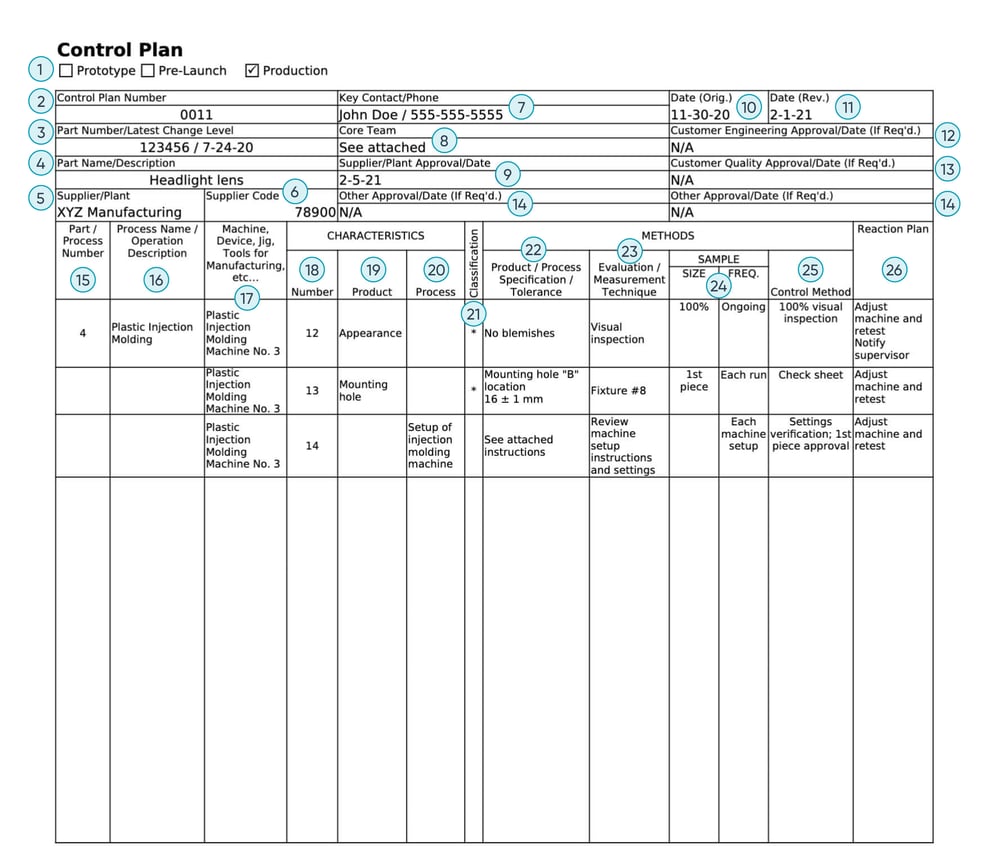
5. Special Characteristics Must Be Clearly Identified Across All Documents

4
Special characteristics must be consistently shown in:
- Drawings
- PFMEA
- Control Plans
- Work instructions
Audit risk: Special characteristics missing in one document.
Common Audit Nonconformities Related to Sanctioned Interpretations
Typical gaps seen during audits:
- Untested contingency plans
- Unqualified internal auditors
- Supplier monitoring not risk-based
- Weak problem-solving systems
- Outdated control plans
These issues can lead to major nonconformities.
How Gemba The Workplace Supports Your Organization
Gemba The Workplace provides practical implementation support—not just theory.
Consulting
✔ IATF 16949 gap assessment
✔ Sanctioned interpretation implementation
✔ Internal audit system setup
✔ Supplier quality system development
Training
✔ Certified Internal Auditor Training
✔ Core Tools Implementation
✔ Practical audit training
✔ Problem solving and FMEA workshops
Transformation
✔ Full IATF 16949 implementation
✔ Audit readiness preparation
✔ Manufacturing quality system transformation
✔ Process improvement and defect reduction
Conclusion
Sanctioned Interpretations are mandatory updates that directly affect your audit results. Organizations must continuously review and update their quality management systems to remain compliant.
Companies that proactively implement these changes achieve:
- Successful audits
- Strong customer confidence
- Improved manufacturing performance
- Sustainable business growth
Gemba The Workplace
Consulting · Training · Transformation
🌐 www.gembatheworkplace.com
📧 support@gembatheworkplace.com
📞 +91 77958 24198