

Introduction
In today’s competitive manufacturing environment, preventing problems is far more effective than correcting them later. Failure Mode and Effects Analysis (FMEA) is a structured risk assessment tool used to identify potential failures in product design or manufacturing processes and implement preventive actions before issues reach the customer.
FMEA is widely used in automotive, aerospace, electronics, and general manufacturing industries and is a core requirement of APQP and IATF 16949 quality systems. It helps organizations improve reliability, safety, and process robustness while reducing defects and costs.
According to the FMEA reference manual, FMEA is an analytical method used to ensure that potential problems have been considered and addressed throughout product and process development. FMEA-Fourth-Edition
Why FMEA is Important


FMEA provides several key benefits:
✔ Prevents failures before production
✔ Improves product reliability and safety
✔ Reduces warranty claims and customer complaints
✔ Supports IATF 16949 and APQP requirements
✔ Improves process capability and control planning
✔ Captures organizational knowledge for future projects
FMEA is a preventive tool, not a reactive one. It must be completed early during design or process planning when changes are easier and less costly. FMEA-Fourth-Edition
Types of FMEA
1. Design FMEA (DFMEA)



DFMEA focuses on potential failures related to product design.
Purpose:
• Evaluate design risks
• Improve product reliability
• Identify design weaknesses
• Support validation and testing plans
Example failure mode:
Brake component cracks under load.
2. Process FMEA (PFMEA)

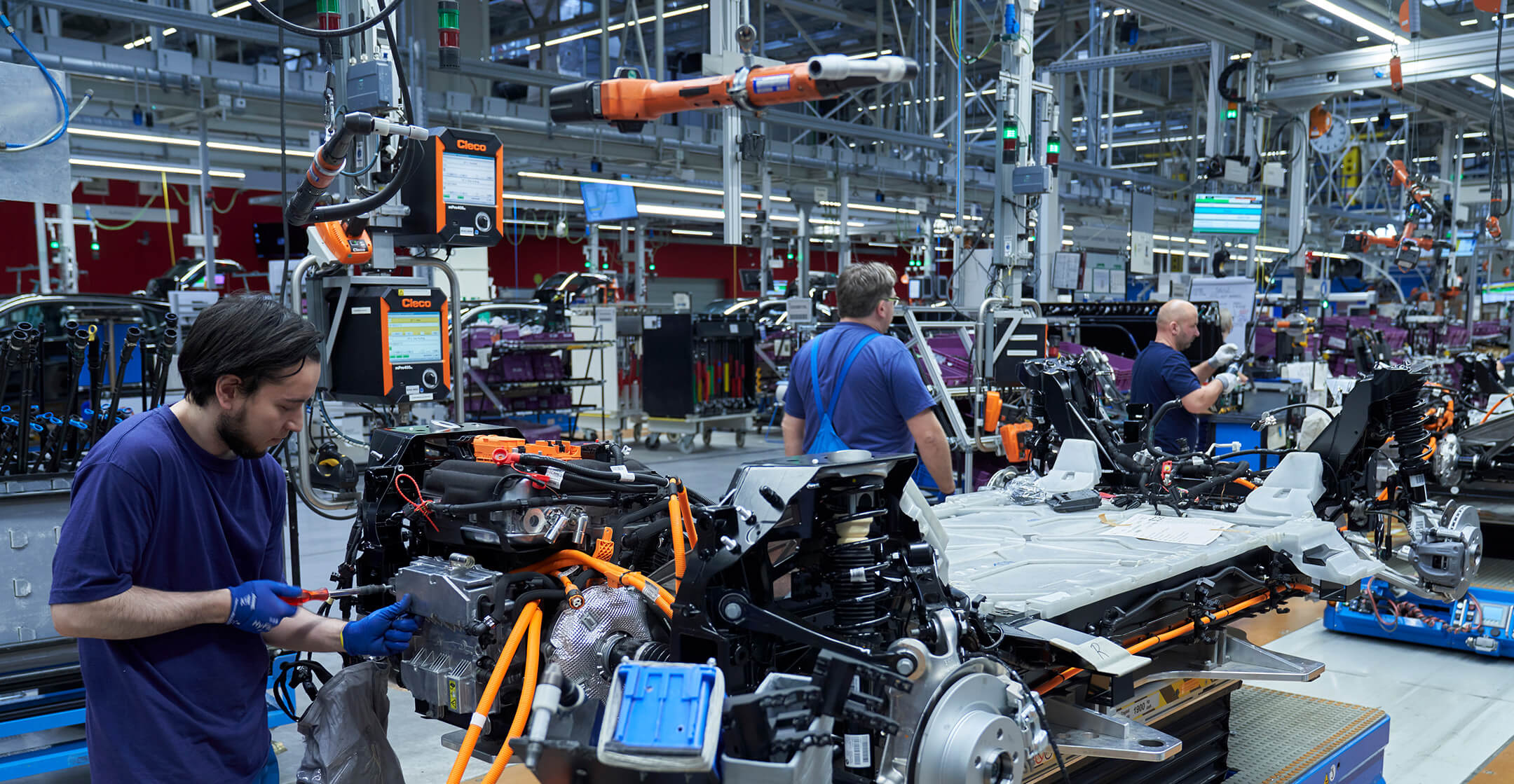

PFMEA focuses on failures that may occur during manufacturing or assembly.
Purpose:
• Improve process capability
• Prevent manufacturing defects
• Develop control plans
• Reduce scrap and rework
Example failure mode:
Incorrect torque during assembly.
When Should FMEA Be Conducted?
FMEA is required in three major situations:
1. New Product or Process
Example: Launch of new automotive component.
2. Design or Process Change
Example: New supplier, new material, or process modification.
3. Existing Product Used in New Application
Example: Same component used in different operating conditions.
This ensures risks are evaluated whenever changes occur. FMEA-Fourth-Edition
FMEA Methodology: Step-by-Step

4
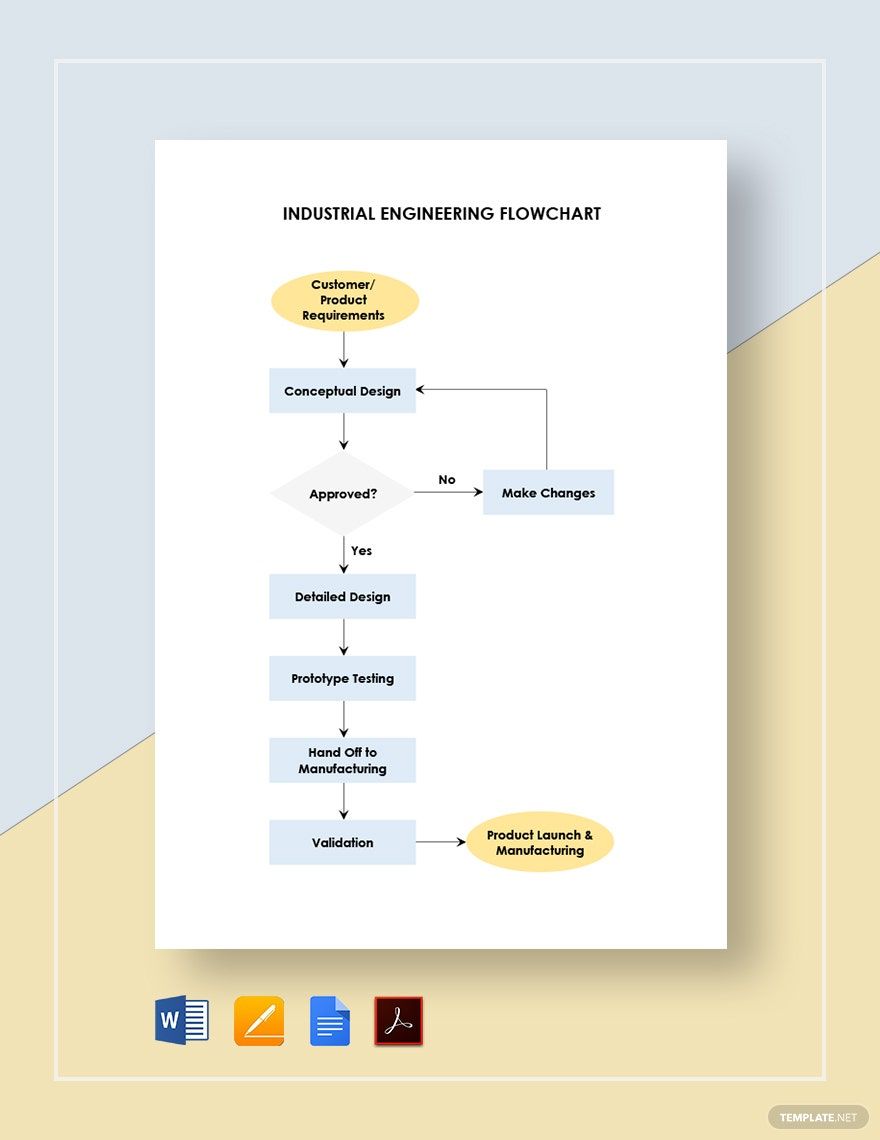
Step 1: Define Scope
Identify system, subsystem, or process to be analyzed.
Step 2: Identify Functions
Define what the product or process must do.
Example:
Seal must prevent leakage.
Step 3: Identify Failure Modes
Determine how the function may fail.
Example:
Seal cracked.
Step 4: Identify Effects
Understand impact on customer.
Example:
Oil leakage → engine damage.
Step 5: Identify Causes
Find root causes.
Example:
Incorrect material hardness.
Step 6: Identify Controls
Current prevention and detection methods.
Example:
Material hardness testing.
Risk Assessment in FMEA


4
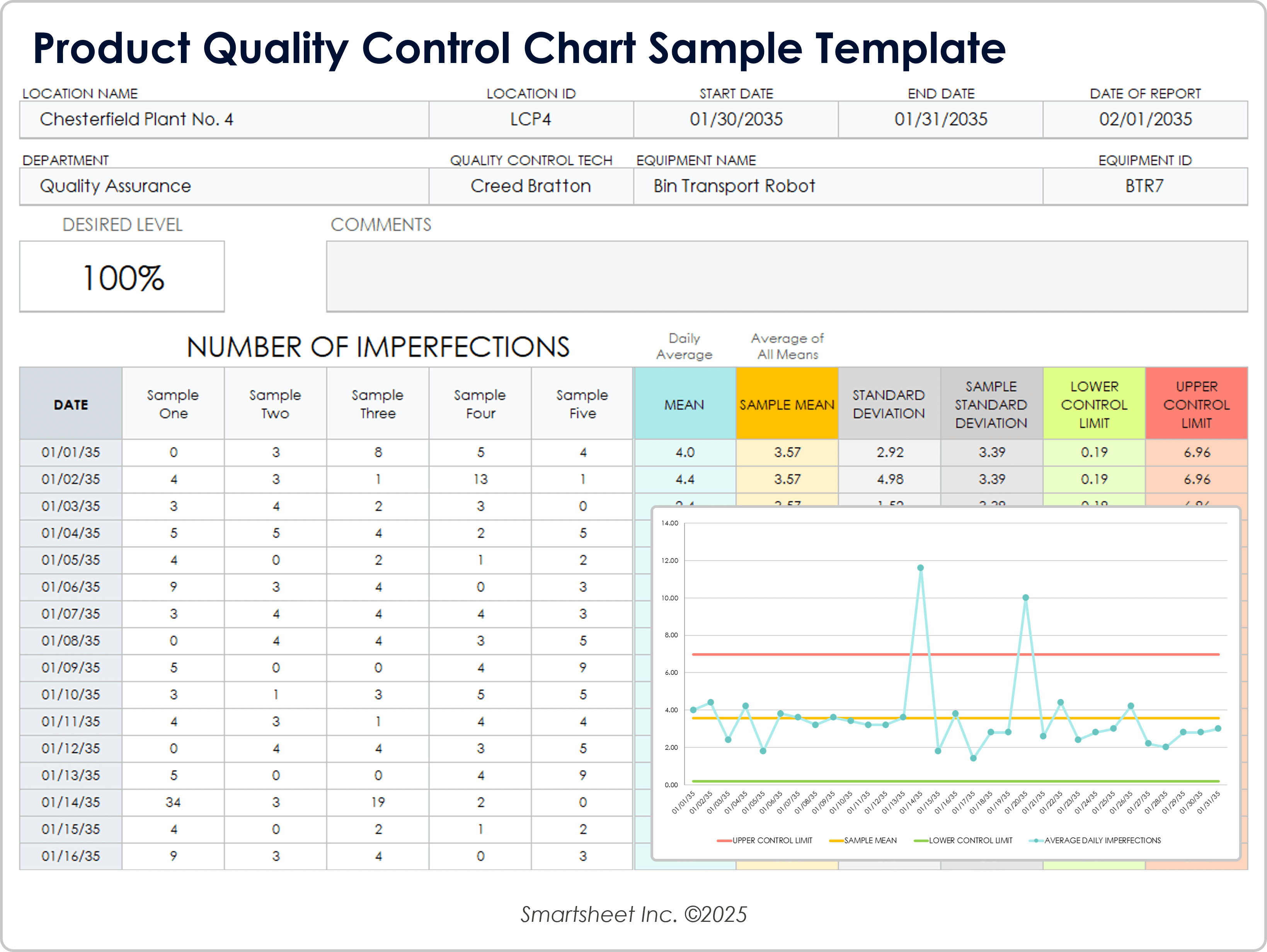
Risk is evaluated using three factors:
Severity (S)
Impact of failure on customer
Example:
10 = Safety risk
1 = Minor inconvenience
Occurrence (O)
Likelihood of failure occurring
Example:
10 = Frequent
1 = Rare
Detection (D)
Ability to detect failure before customer
Example:
10 = Cannot detect
1 = Certain detection
These help prioritize actions to reduce risk. FMEA-Fourth-Edition
FMEA is a Living Document
FMEA must be:
• Updated after process changes
• Updated after customer complaints
• Updated after audits
• Reviewed periodically
It supports continuous improvement and knowledge retention.
Common Mistakes in FMEA
Avoid these errors:
• Copy-paste FMEA without analysis
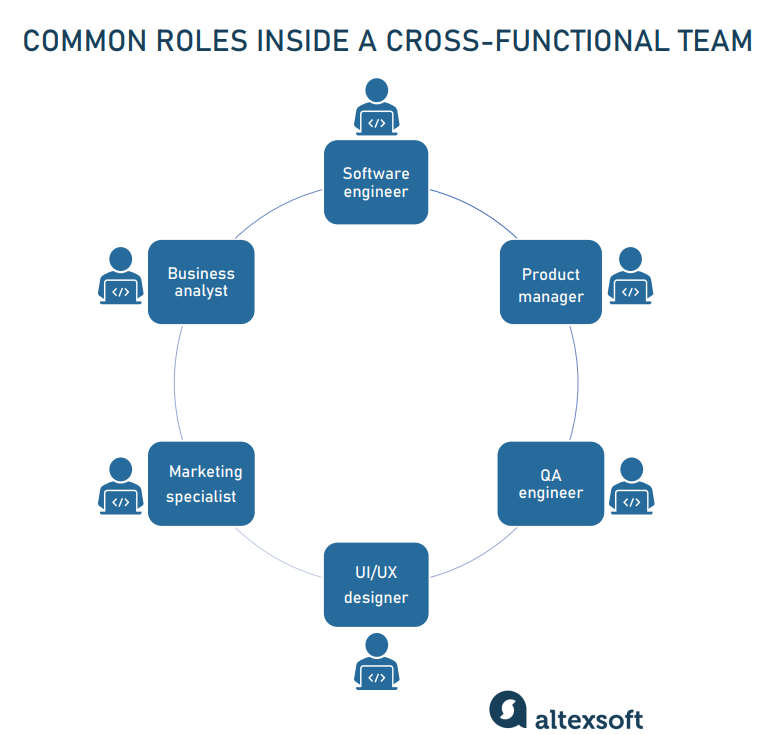
• Incomplete cross-functional team
• Not updating after changes
• Weak root cause identification
• Treating FMEA as documentation only
FMEA must drive real risk reduction actions.
Link Between FMEA and IATF 16949
FMEA supports:
• APQP
• Control Plan development
• Risk-based thinking
• Customer-specific requirements
• Audit compliance
It is mandatory for automotive suppliers.
How Gemba The Workplace Supports Your Organization


Gemba The Workplace provides expert consulting, training, and implementation support:
Consulting
• DFMEA and PFMEA development
• FMEA gap assessment
• IATF 16949 compliance support
• Control Plan integration
Training
• Practical FMEA workshops
• AIAG & VDA methodology training
• Root cause and risk analysis training
Transformation
• Risk-based culture development
• Process improvement programs
• Audit readiness preparation
Conclusion
FMEA is one of the most powerful preventive quality tools. Organizations that implement FMEA effectively can:
• Prevent failures before production
• Improve reliability and safety
• Reduce costs and defects
• Strengthen customer confidence
FMEA transforms quality from reactive to proactive.
Contact Gemba The Workplace
Website: www.gembatheworkplace.com
Email: support@gembatheworkplace.com
Phone: +91 77958 24198
Consulting | Training | Transformation