

1. Stop Sign – Visualize and Communicate Problems Immediately

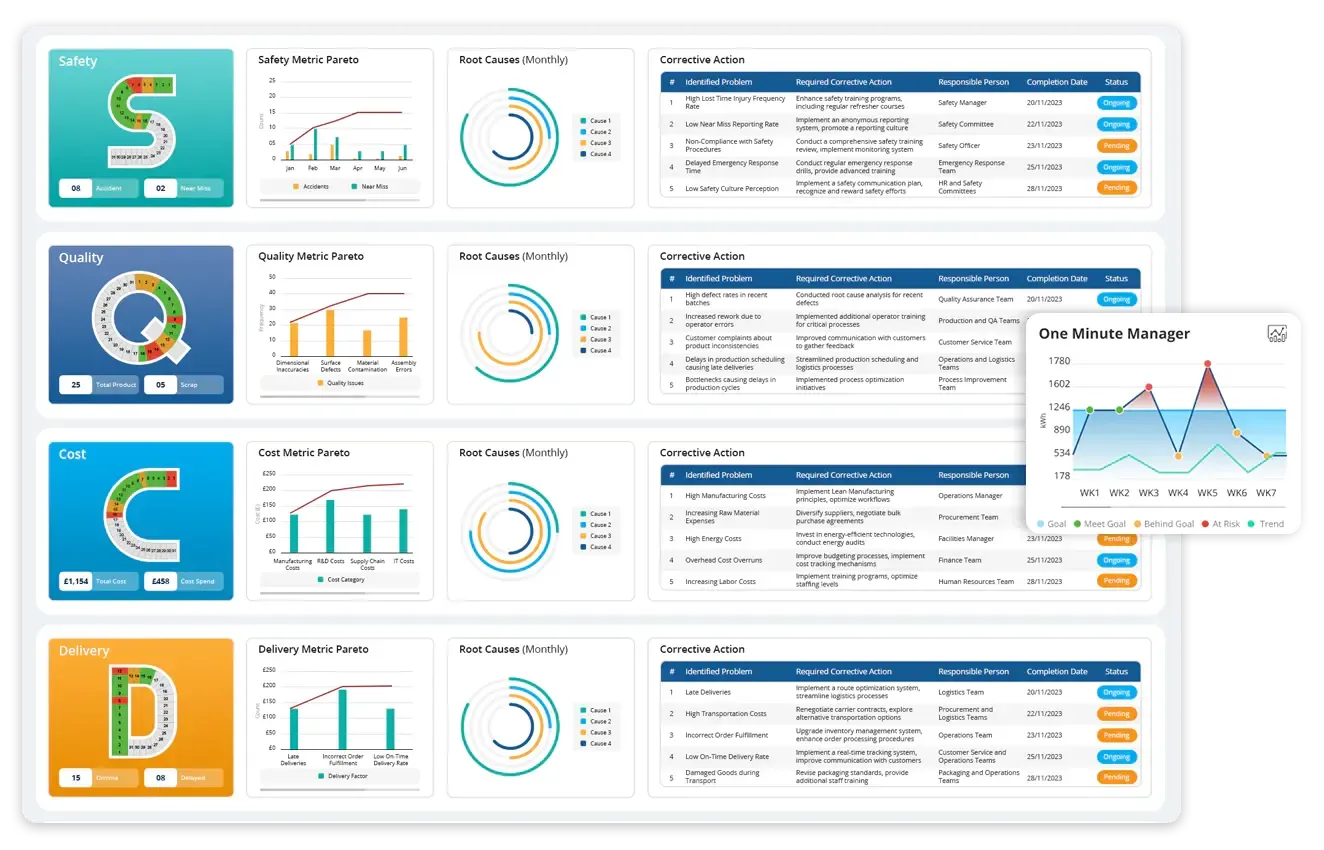

When a defect or customer complaint occurs, it must be clearly displayed at the workstation where the issue originated. This ensures all employees are aware of the problem and corrective actions.
Purpose
- Increase awareness
- Enable identification of Problem before occurence
- Prevent repeat defects- *Important* Based on no of stops
Visual communication accelerates resolution.
2. Andon Cord – Stop the Process When Abnormality Occurs
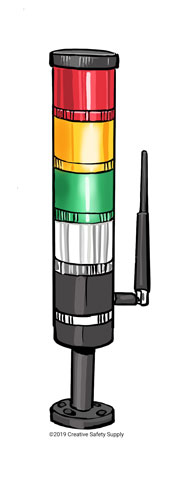


Operators must stop the process if they detect deviations such as defects, parameter variation, or equipment malfunction.
Purpose
- Prevent defective parts from moving forward
- Enables immediate attention seeking for Problems
- Empower operators
Stopping early prevents larger problems.
3. Instructions – Standardize Work and Inspection
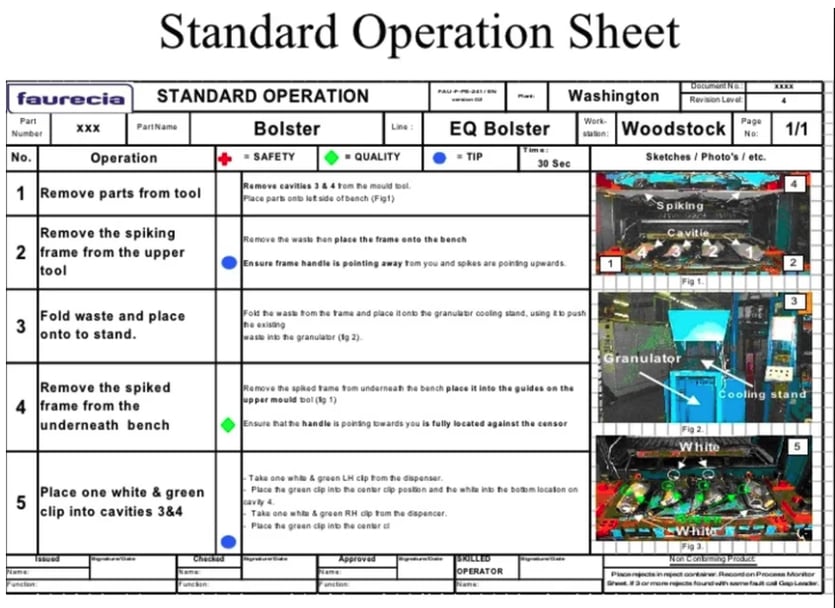
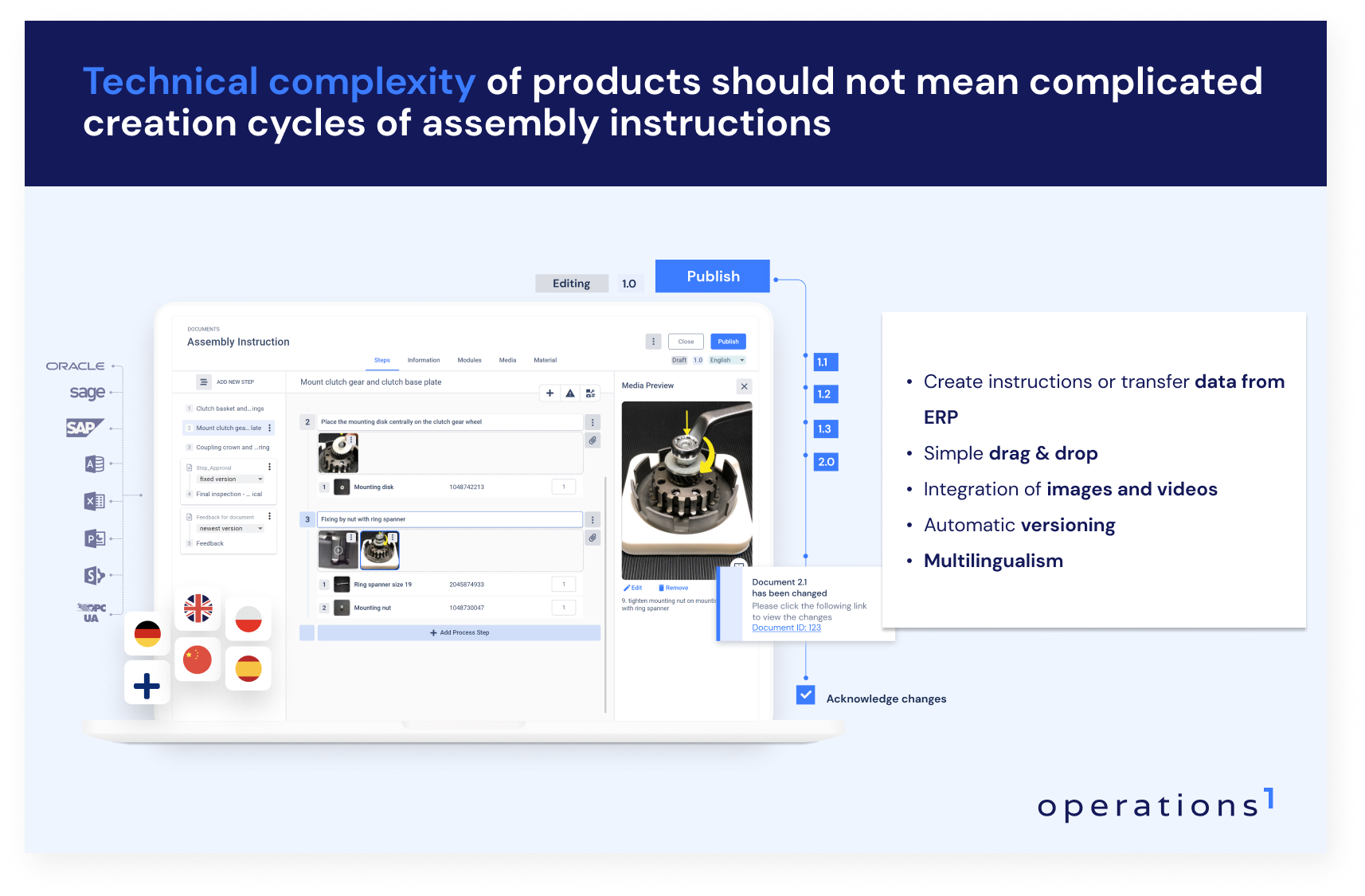

Clear work instructions ensure consistent production and safe operations.
Instructions must include:
- Work steps
- Inspection criteria
- Safety requirements
- Quality checkpoints
Standardization reduces human error.
4. Process Parameters – Maintain Process Stability


Critical parameters such as temperature, pressure, and torque must remain within defined limits to ensure product quality. Monitoring ensures process consistency. Q-Basics-Best-Practice_Bosch-Web
5. Measurement and Test Equipment – Ensure Accurate Measurement

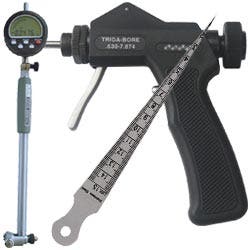

Measurement devices must be calibrated and capable of producing reliable results. Incorrect measurement can result in wrong quality decisions.
6. Check the Checker – Verify Automated Inspection Systems
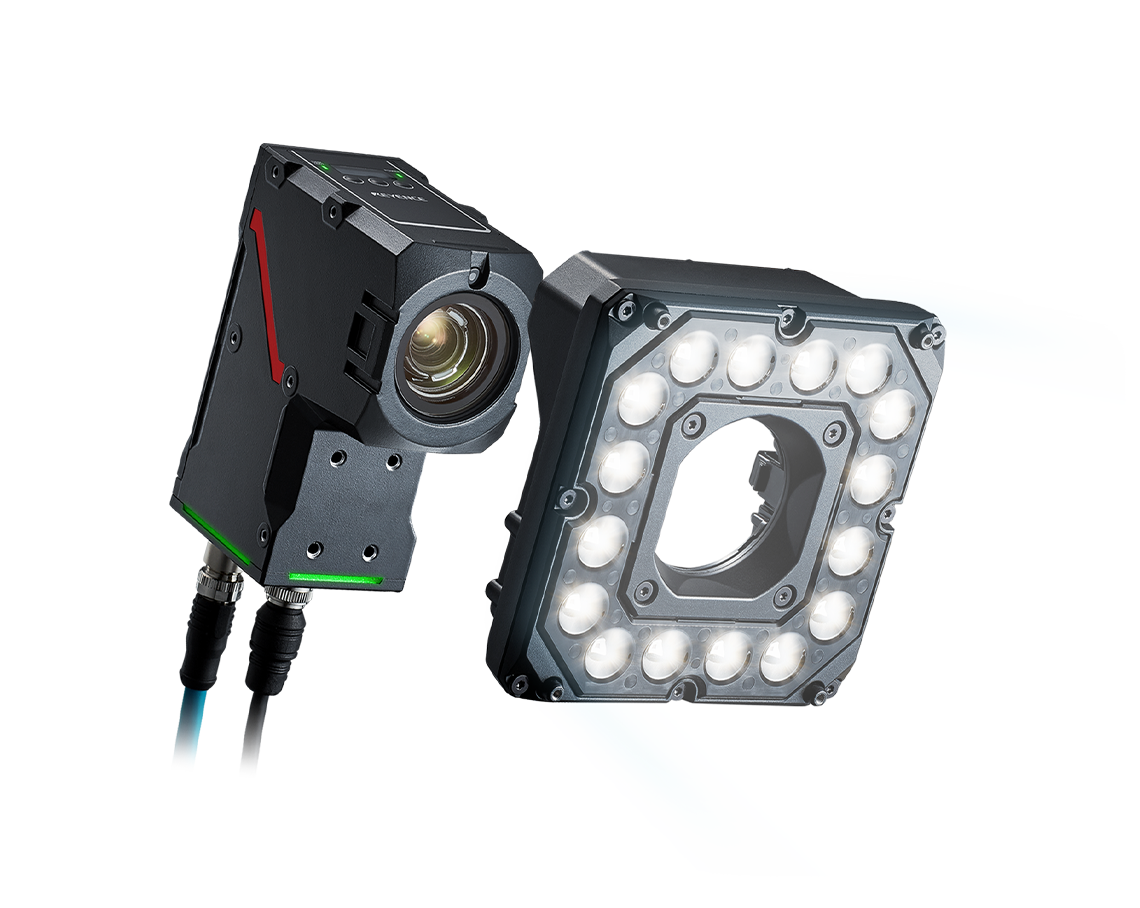

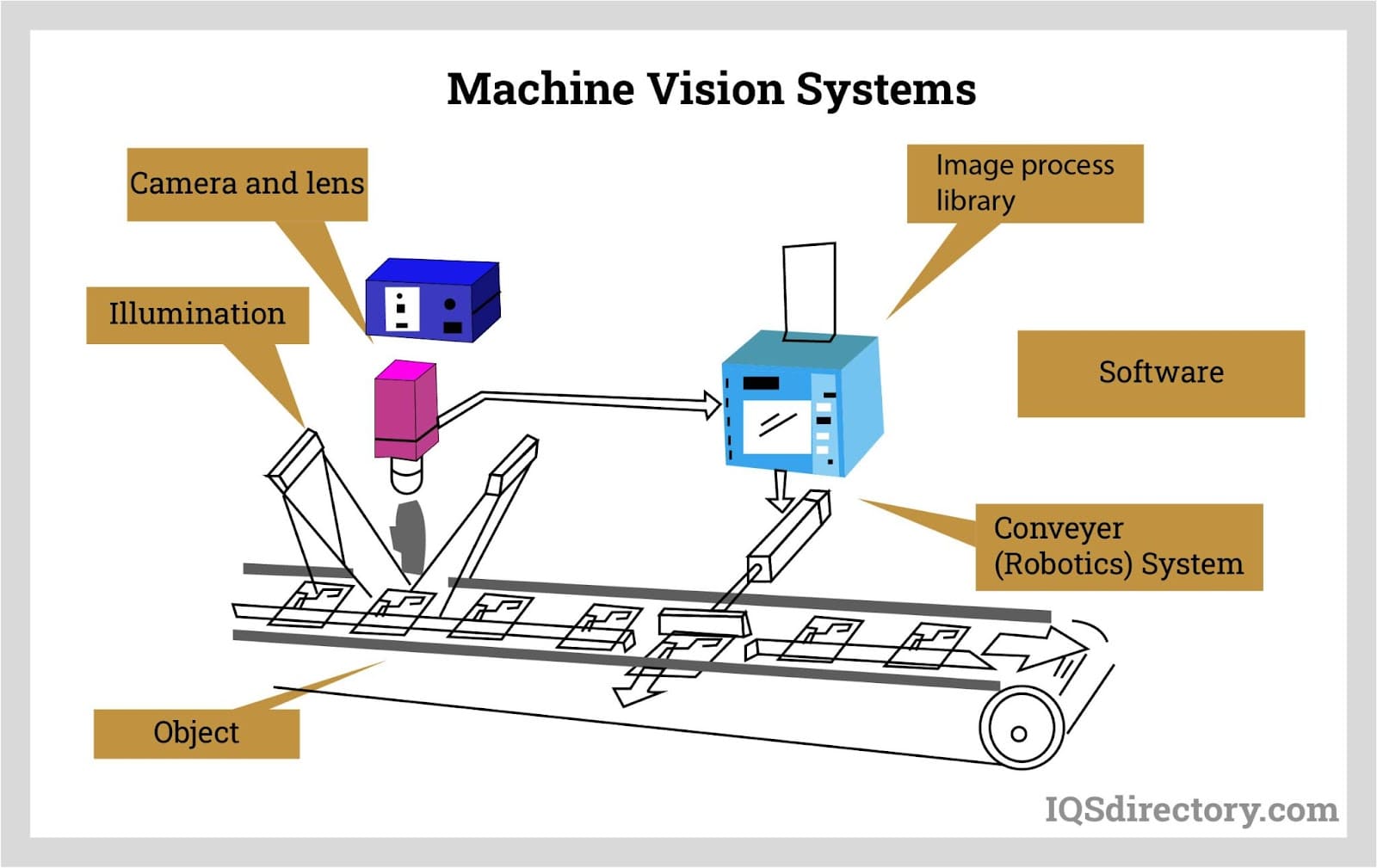
Automated inspection systems must be tested regularly to ensure they detect defects correctly. Faulty inspection systems can allow defective products to pass undetected.
7. Total Productive Maintenance (TPM) – Maintain Equipment Reliability

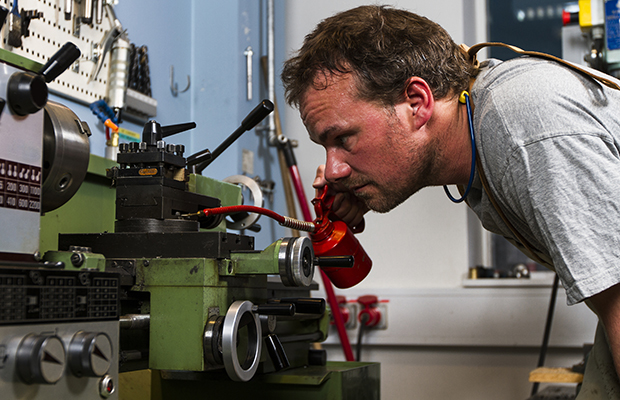
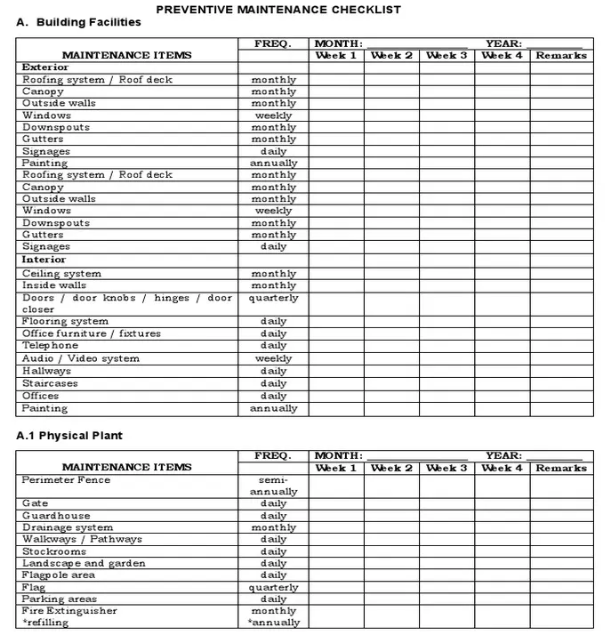
Preventive maintenance ensures machines operate reliably and produce consistent quality.
Benefits:
- Reduced breakdowns
- Improved productivity
- Improved product quality
8. Tools – Use the Right Tools in Proper Condition


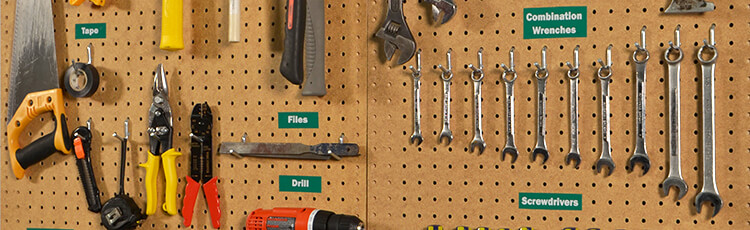
Only approved, calibrated, and properly maintained tools should be used to prevent assembly errors and defects.
9. Restart – Verify Conditions After Process Interruption

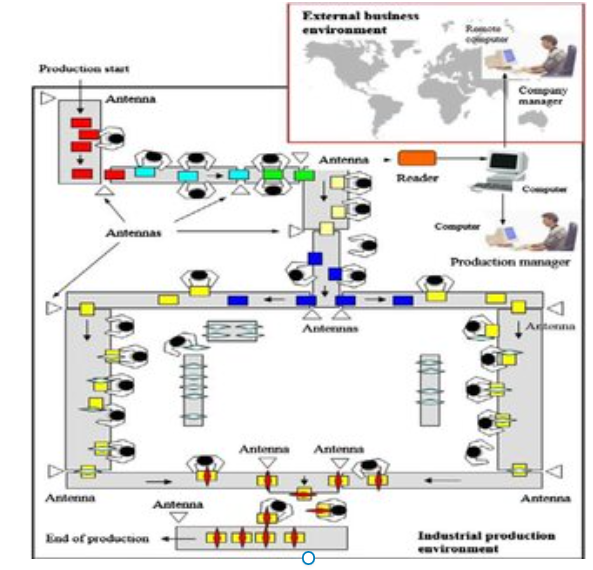

After downtime, maintenance, or adjustments, processes must be verified before restarting production.
This ensures:
- Correct setup
- Stable process
- Defect prevention
10. Labeling – Identify Product Status Clearly

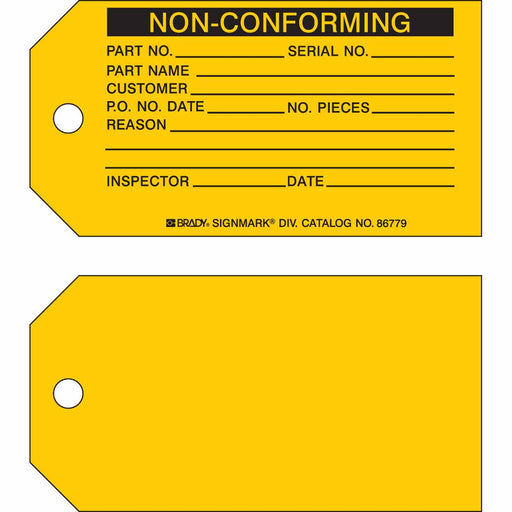
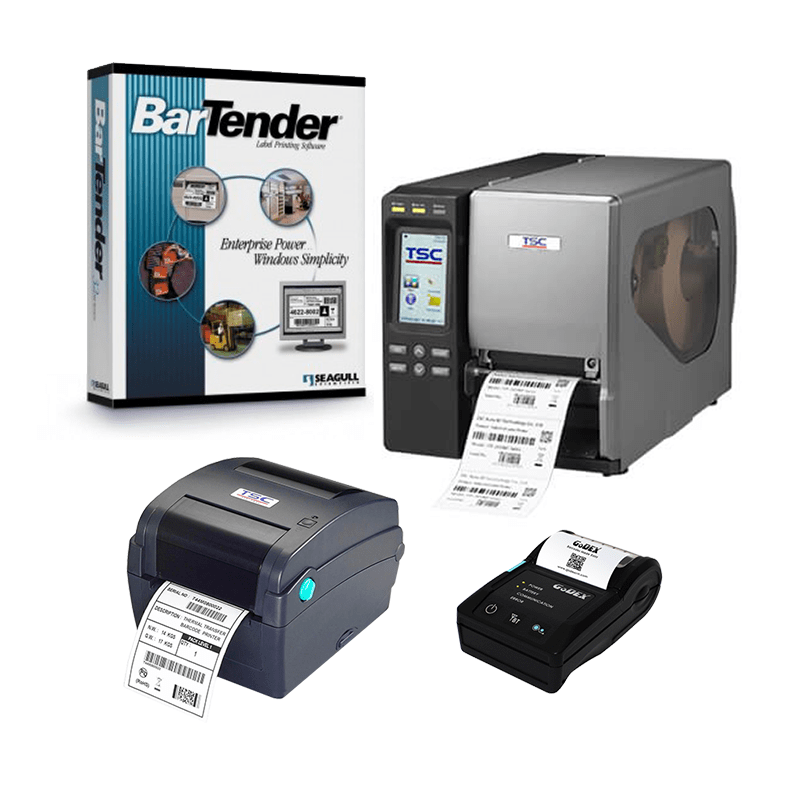
Products must be clearly labeled to indicate:
- Accepted parts
- Rejected parts
- Quarantine parts
Clear identification prevents mix-ups.
11. Rework and Scrap – Control Non-Conforming Parts



Defective parts must be controlled, documented, and corrected properly to prevent accidental shipment.
12. Dropped Parts – Prevent Use of Damaged Parts

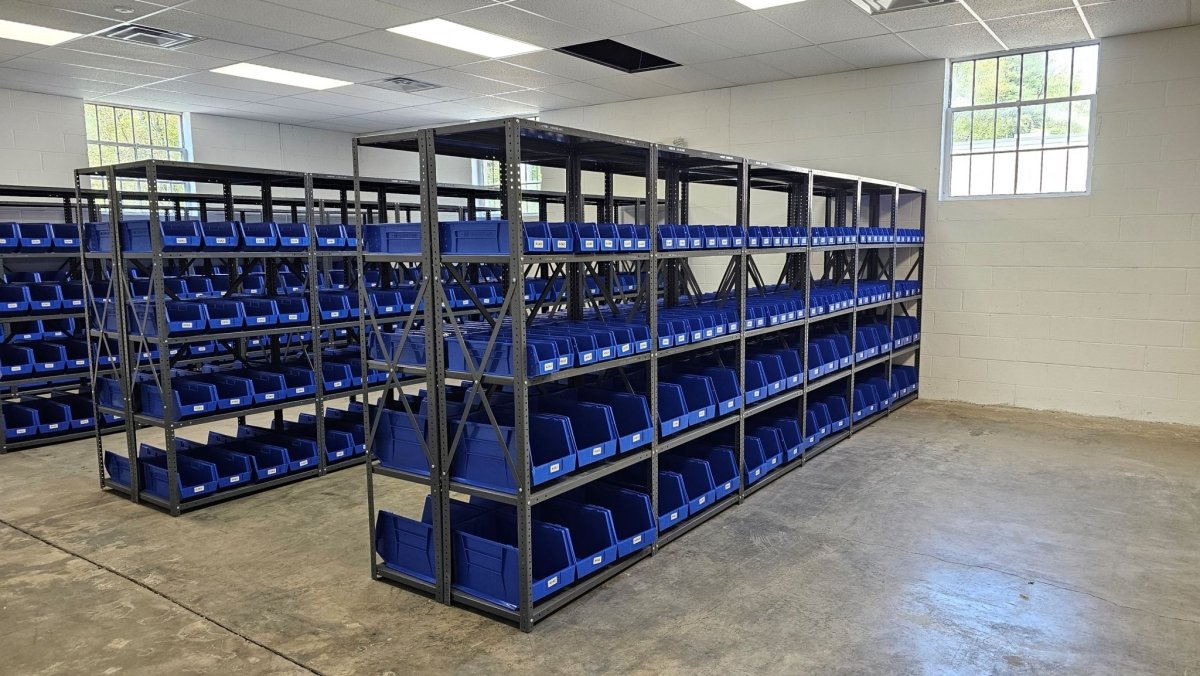

Parts dropped on the floor must be inspected or rejected to prevent hidden damage.
13. Correct Product – Ensure Correct Part and Specification


Operators must verify correct part number, specification, and product before processing.
This prevents assembly mistakes.
14. Remaining Items – Prevent Foreign Material and Missing Parts
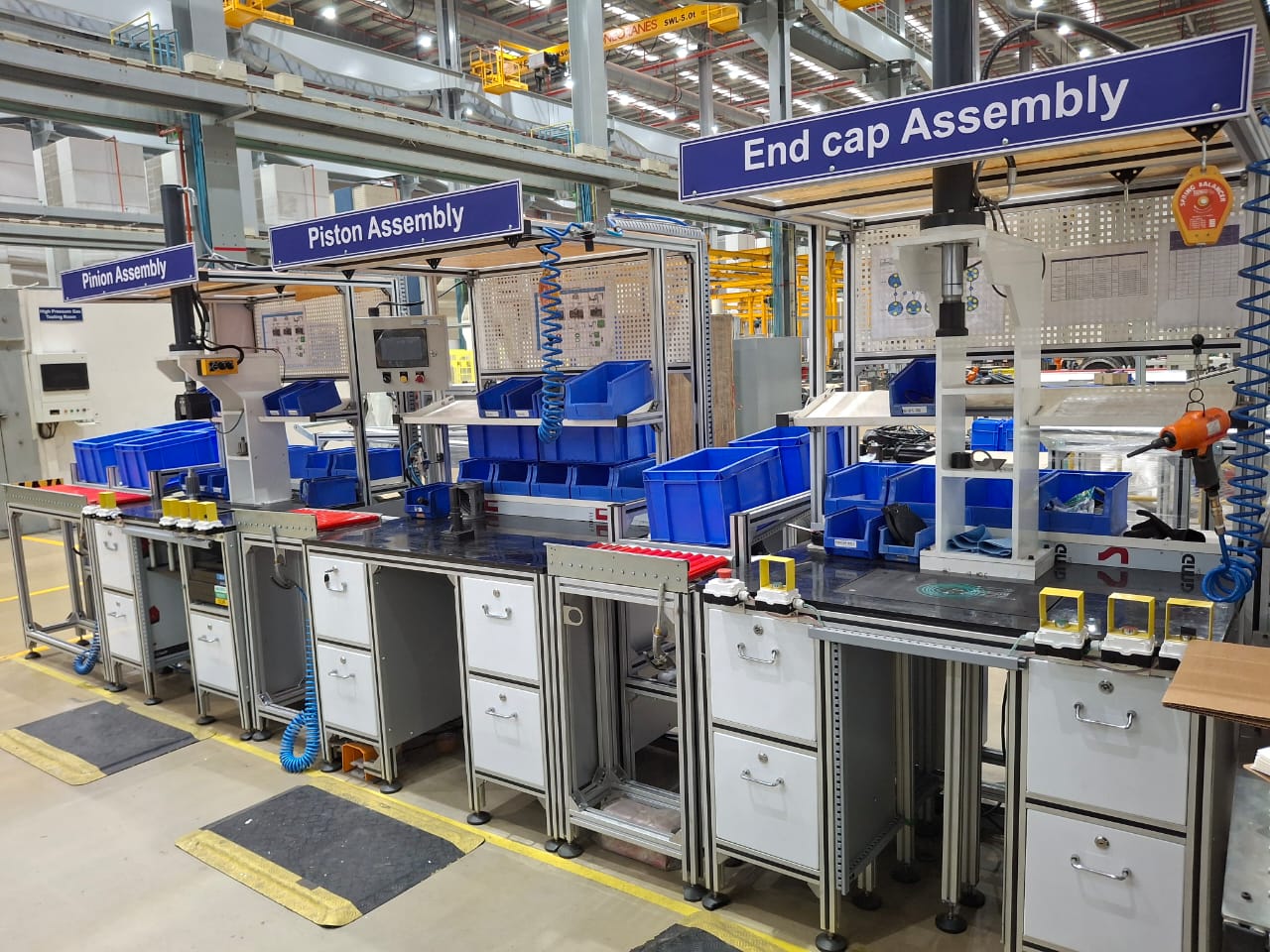

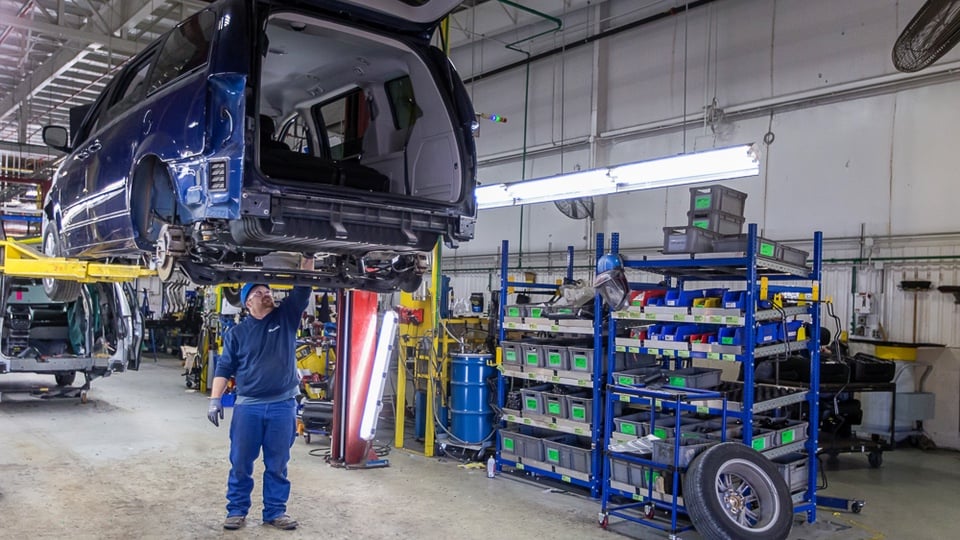
Before completing production, ensure no tools, loose parts, or foreign objects remain in the product or workstation.
This ensures safety and product integrity.
Benefits of Implementing Q-Basics
Organizations implementing Q-Basics achieve:
- Reduced customer complaints
- Improved process stability
- Improved audit readiness
- Increased productivity
- Reduced cost of poor quality
How Gemba The Workplace Supports Q-Basics Implementation
Gemba The Workplace – Consulting · Training · Transformation
We support manufacturing organizations in implementing world-class quality systems.
Consulting
- Q-Basics implementation
- IATF 16949 system implementation
- Shop-floor process improvement
Training
- Manufacturing quality training
- Core tools training
- Problem solving and root cause analysis
Transformation
- Zero defect culture development
- Productivity improvement
- Visual management implementation
Contact Gemba The Workplace
Website: https://gembatheworkplace.com
Phone: +91 77958 24198
Email: